Forest carbon becomes a Compact focus
The Compact's second anniversary update names forest carbon markets as an area for collective action. Source
A Georgia Tech program
The Georgia Carbon Exchange's north star is to be the market-maker and enabling infrastructure that makes investing in nature trustworthy enough to scale.
Launched in 2025 by Georgia Tech's Ray C. Anderson Center for Sustainable Business.
1 · See it
Walk Georgia research sites and join a quarterly education series.
2 · Shape it
Become an anchor funder of our market lab and the pilot projects it launches.
3 · Invest now
Our first IFM carbon project in Georgia is starting. Commit early to buy its credits.
4 · Build it
Work with us on the terms and measurement for Georgia's first watershed-based payments for ecosystem services market.
Tell us which option fits and we'll follow up.
of Georgia's roughly 24 million forested acres are privately owned.
of forest were damaged by Hurricane Helene, 30% of it catastrophically.
taking 8.3 million tons of pulpwood demand, $3B+ in economic impact and about 6,000 jobs or small-business incomes.
Sources: Hope Among the Pines; Georgia Carbon Exchange webinar.
When storms flatten stands and mills close, landowners lose the markets that kept their forests working. Many own small tracts, where the cost of measuring and verifying carbon has kept them out of carbon markets entirely.
The Georgia Carbon Exchange gives companies a credible way to invest in the landscapes they depend on, and gives small-acreage landowners a way to be paid for keeping forests healthy. Pooled participation spreads verification costs so smaller owners aren't priced out.
Georgia is where we test methods first, on projects people can visit. What works here becomes a tool other regions can use.
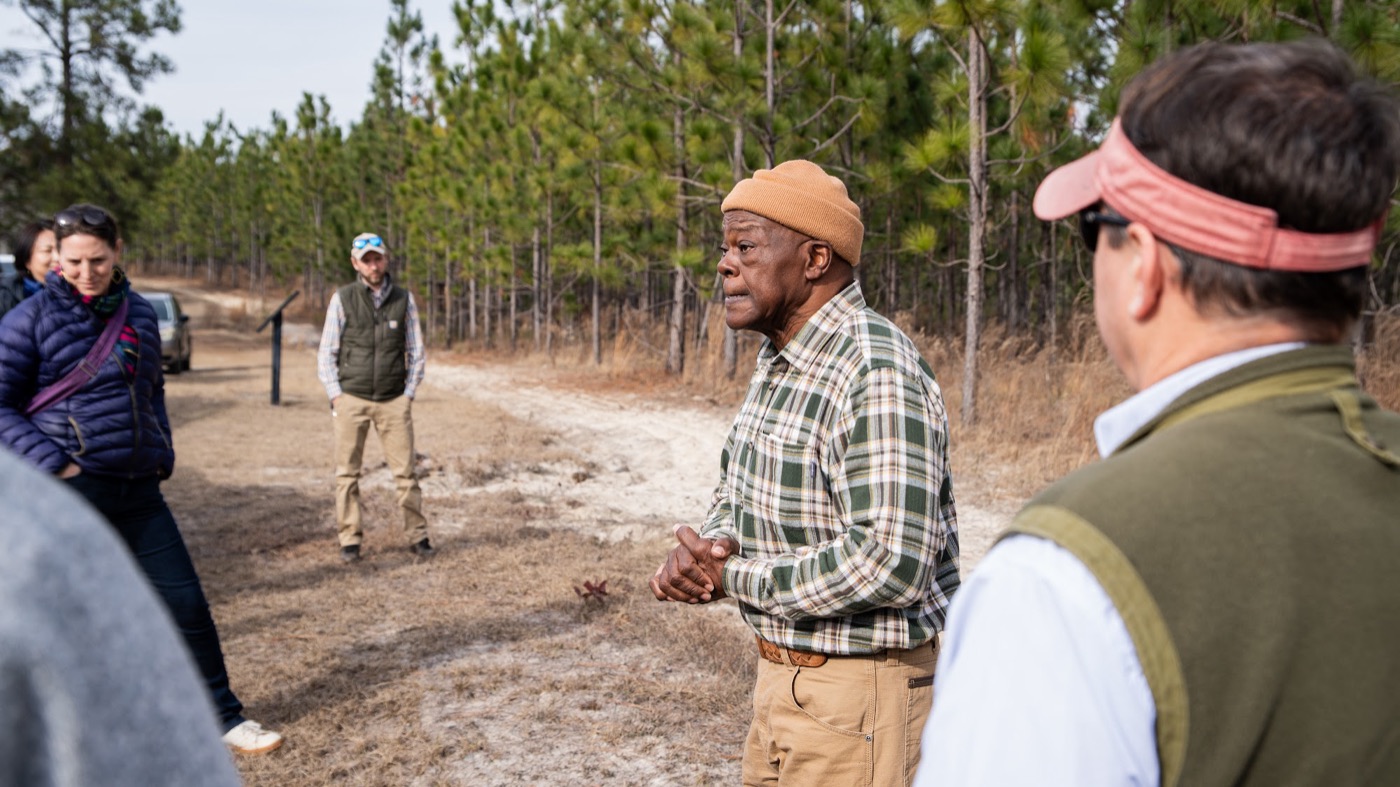
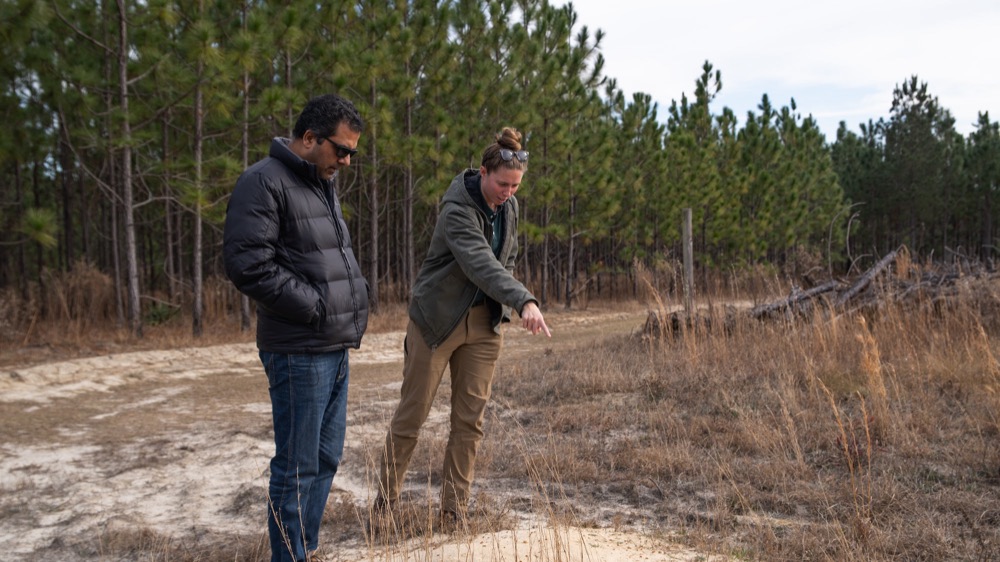
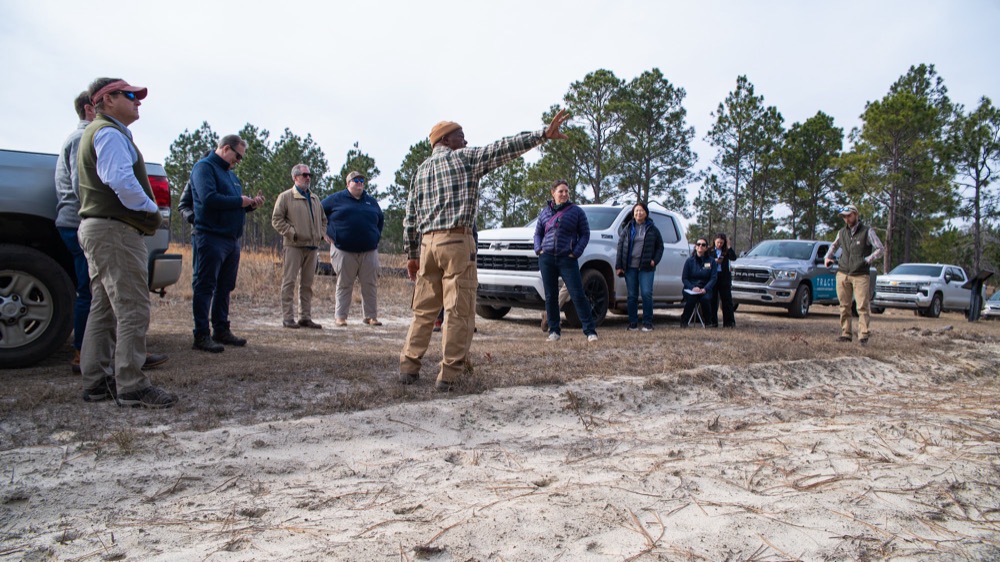
GCE is built at Georgia Tech, in Atlanta, by people who know Georgia's forests, coasts and communities. We test measurement tools on Georgia projects, convene buyers, developers and researchers, and build the market for nature beyond carbon.
Georgia projects are a testbed for tools that measure, report and verify carbon and community benefits, including remote sensing through a partnership with Chainparency.
We bring buyers, project developers, landowners, foresters and researchers together around projects they can see and trust.
We develop market tools that pay for nature beyond carbon: water, habitat and resilience.
From climate targets and water security to supply chains, community relationships and mission.
Build the instruments, structure and governance for outcomes beyond carbon, such as water, habitat and resilience.
Give buyers clear guidance on what counts, what to buy and how to claim it.
Build on existing criteria from ICVCM, Microsoft and Relae, and focus research on gaps like leakage and reversal risk.
Georgia RISE is a five-year effort funded by the USDA Forest Service to build markets for carbon, water and biodiversity for Georgia's private forest landowners. The first goal, set at the project kickoff, is a forest carbon project for small-acreage landowners across Georgia.
Landowners join through pooled participation, so verification costs don't price out small-acreage owners. A steering committee of landowners, foresters and Georgia companies is drafting Georgia-specific protocols and the financial frameworks for enrolling landowners.
Buyer Convening, November 12, 2026
Buyers, researchers, foresters and landowners met at Georgia Tech to look at what high-quality, Georgia-grown nature projects can deliver. Watch the short recap.
Recap video coming soon
The exchange grew out of the Drawdown Georgia Business Compact's work on Georgia-grown forest carbon.
The Compact's second anniversary update names forest carbon markets as an area for collective action. Source
With UGA and The Nature Conservancy, the group explored Georgia-grown removal projects for small-acreage landowners. Source
Partners met at UGA's Warnell School of Forestry and Natural Resources and set the first goal: a forest carbon project for small-acreage landowners across Georgia.
Georgia Tech, the Georgia Forestry Foundation and UGA Warnell announced a state-specific forest carbon exchange, funded by a U.S. Forest Service landowner grant. Source
Landowners, foresters and Georgia companies began drafting Georgia-specific protocols.
Researchers, foresters, landowners and potential buyers visited working forests in Emanuel County, Metter and Soperton. Source
Graduate Sustainability Fellows and the Georgia Forestry Foundation published research on new demand for Georgia wood. Source
Lucas Clay spoke on how to accelerate nature-positive investments in Georgia. Source
Members reviewed project development documents and the financial frameworks key to enrolling landowners in the carbon program.
The team presented the exchange and the Georgia RISE Forest Carbon Project, with about 3,100 landowners reached at 41 outreach events. Source
Forest Carbon, Water, and the Future of Nature Markets in Georgia, hosted at Georgia Tech. Watch the recap
The Georgia Carbon Exchange and the Georgia RISE Forest Carbon Project are run by a team from five institutions across the Southeast, with funding from the USDA Forest Service.
The exchange grew out of the Drawdown Georgia Business Compact's work on Georgia-grown forest carbon.
Program contact
Lucas Clay, Ph.D.
Extension Professional, Ray C. Anderson Center for Sustainable Business
[email protected]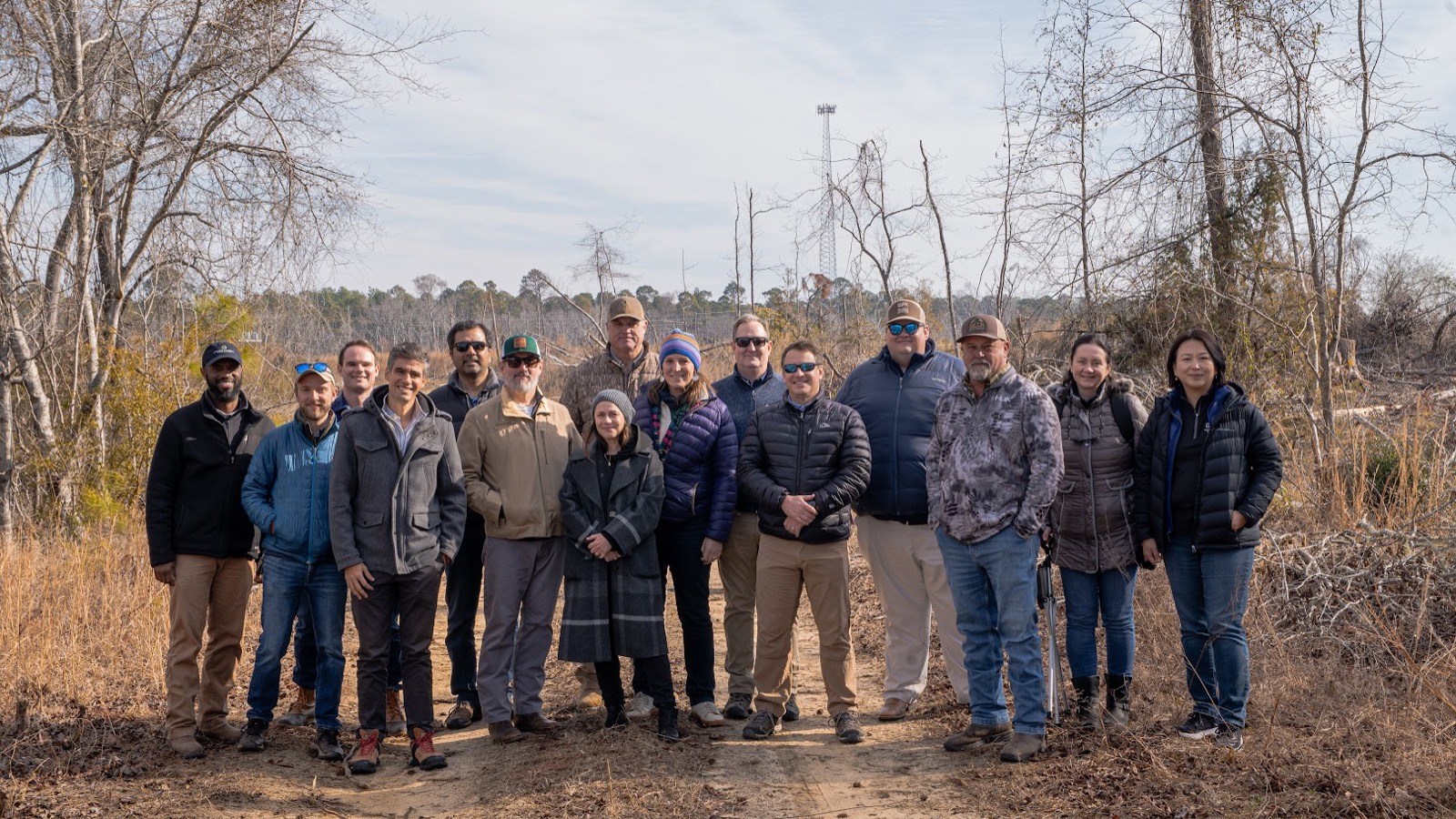
 Ray C. Anderson Center for Sustainable Business, Georgia Tech
 Georgia Forestry Foundation
 Warnell School of Forestry and Natural Resources, UGA
 Department of Forestry and Environmental Conservation, Clemson
 Southern Regional Extension Forestry
This work is supported by the USDA Forest Service.
We're working with organizations that want to invest in nature with confidence.